Long before it was studios or storage, this site was part of the Knoxville Incline, a critical piece of Pittsburgh’s transportation system. Opened in 1890, the incline carried freight, workers, and residents between South 11th Street and the Allentown plateau. The rails that once guided incline cars now trace what has become AMP’s parking lots and loading dock, tying today’s use directly to the site’s industrial past. The yellow brick structure visible beside the incline tracks is the same building that stands here today.
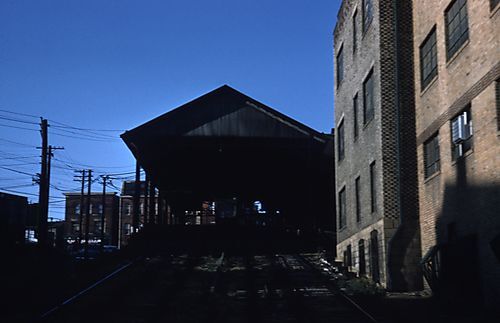
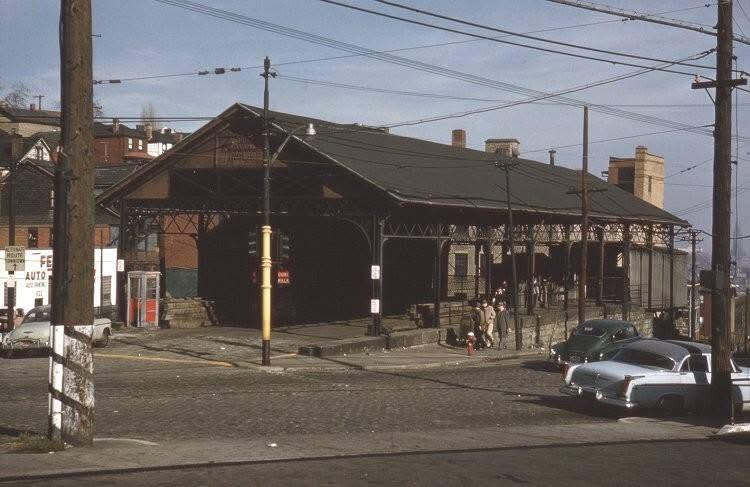
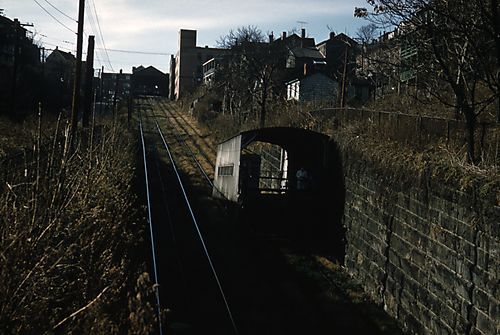
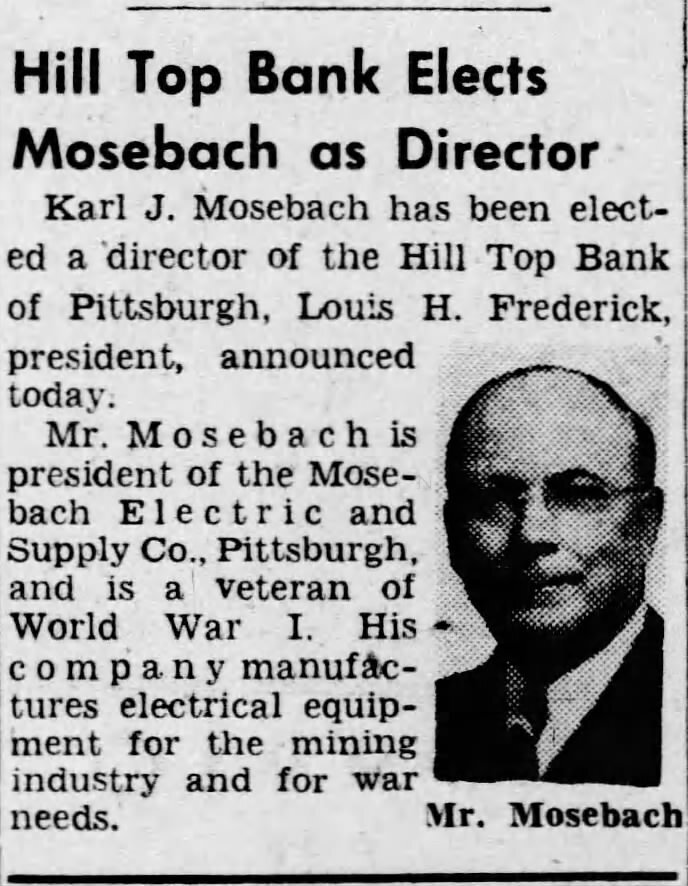
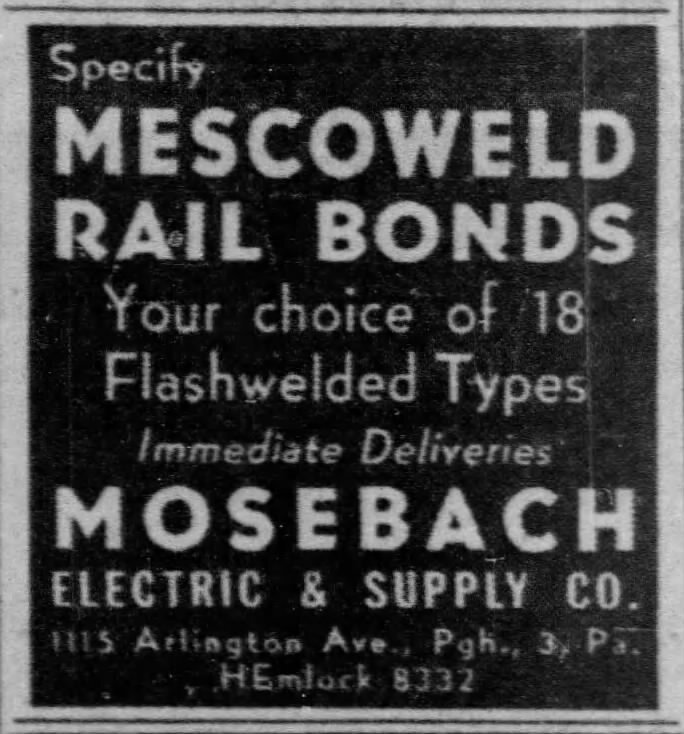
Founded in 1924 by Karl Mosebach, the Mosebach Electric & Supply Company manufactured industrial electrical components used throughout Pittsburgh’s steel mills, mines, and transit systems. The original wooden structure at Arlington and Warrington Avenues was rebuilt in brick in 1948, forming the building that stands today. After Mosebach’s death, the company transitioned into wholesale electrical supply before the site was eventually sold in 1990, closing a major industrial chapter.
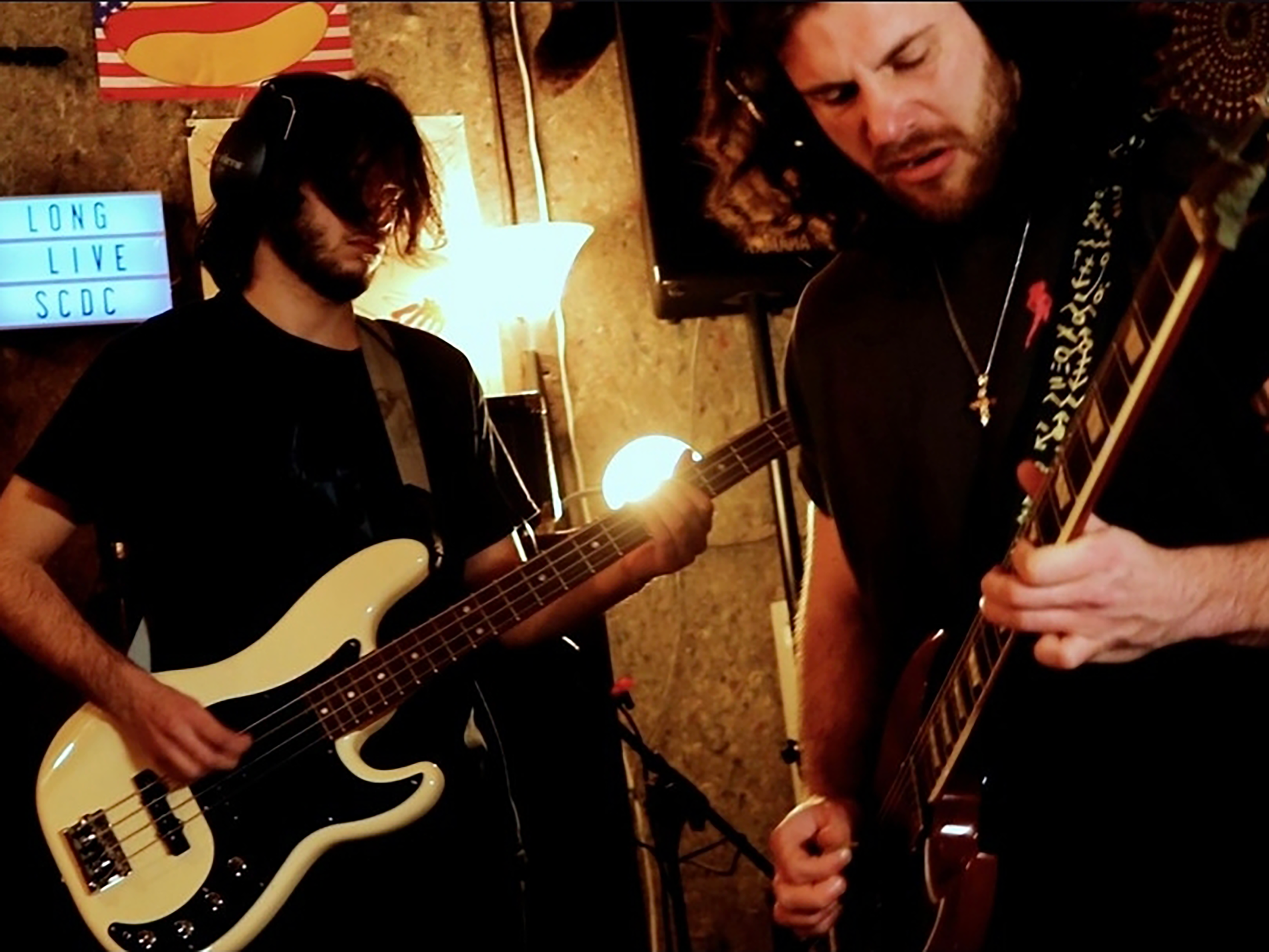
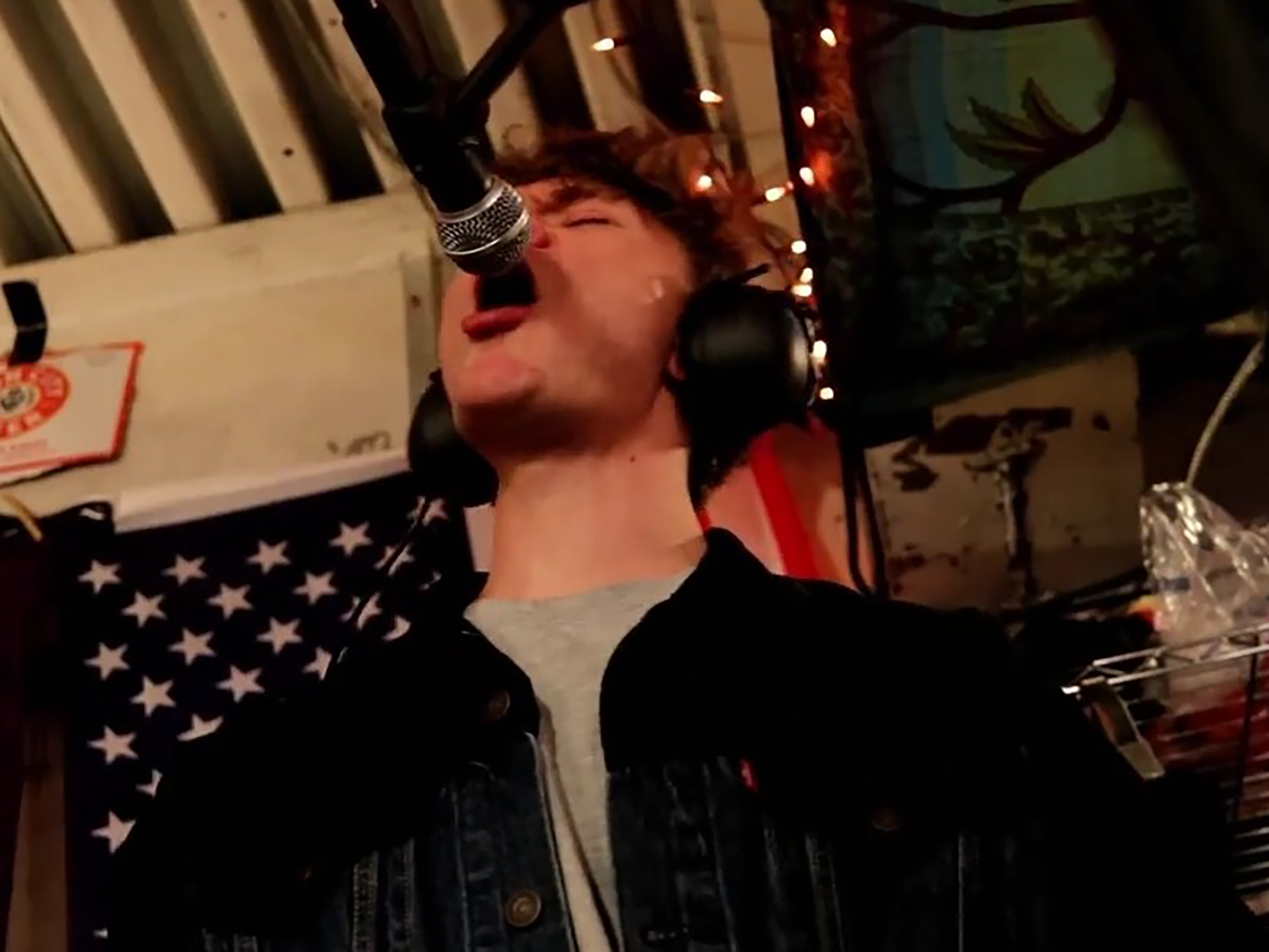
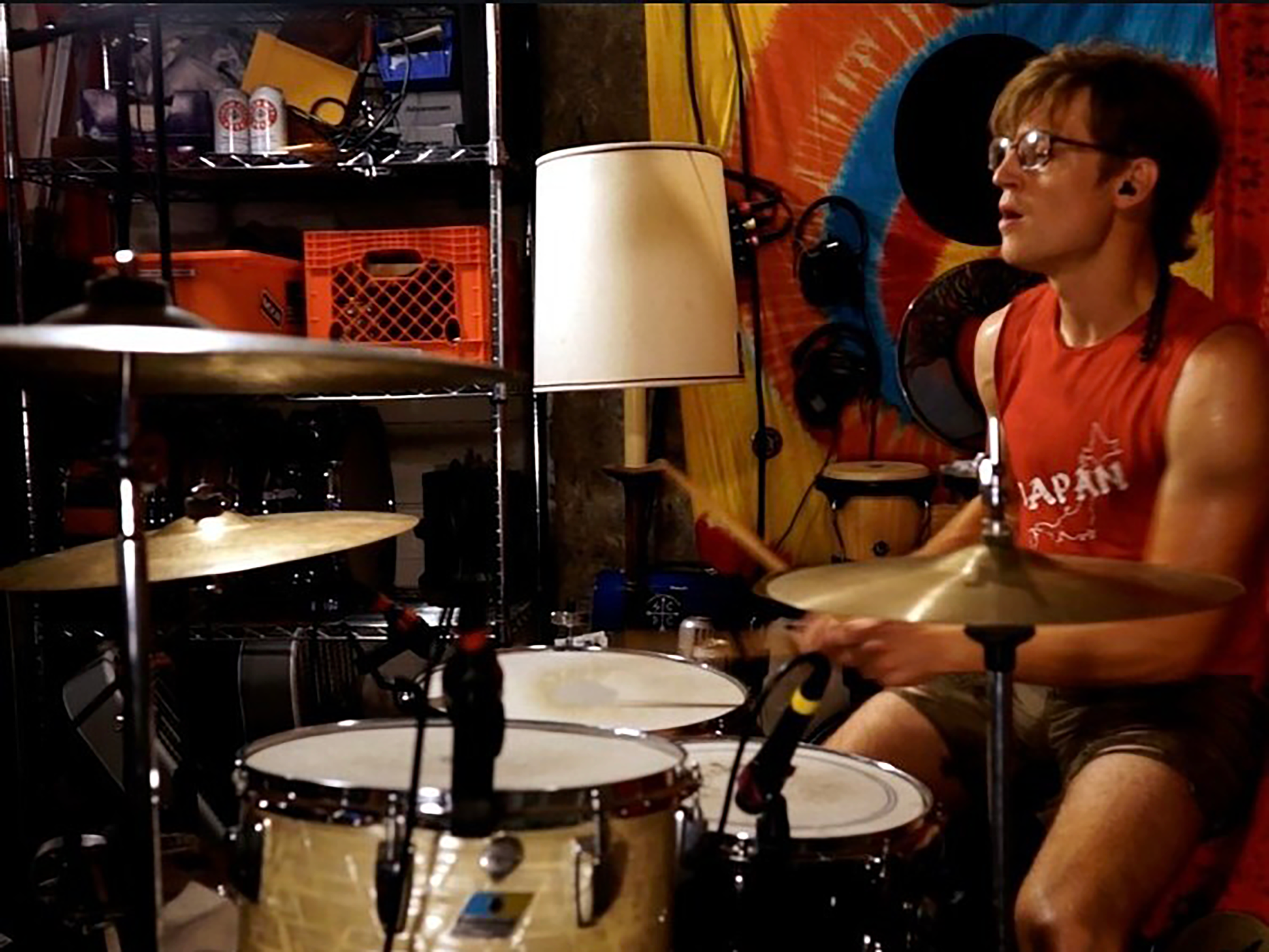
In 1995, the building entered a new phase when it was purchased by a local moving company. Shortly after, musician Dan Split recognized its potential as a solution to a growing problem in Pittsburgh: the lack of stable, affordable rehearsal space.
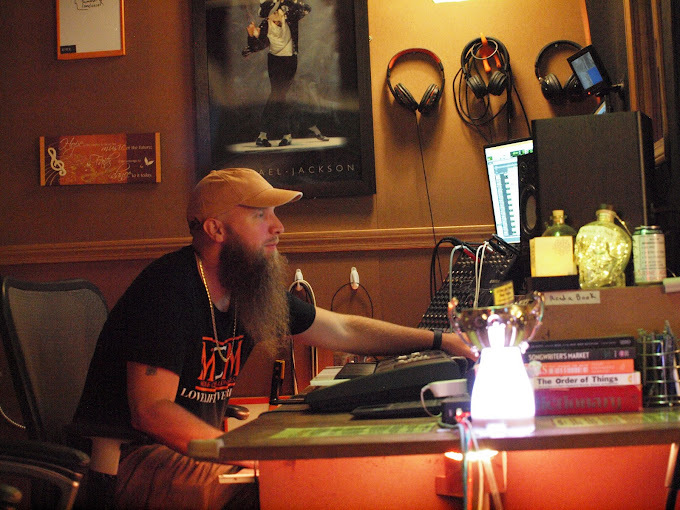
By 1996, the first dedicated band rooms opened. Over time, the building became home to hundreds of musicians and producers, quietly establishing itself as one of Pittsburgh’s longest-running rehearsal communities.